How to Configure Energy Reports on Your Smart Thermostat
Master energy reports on your smart thermostat. Our guide shows you what to enable, how to interpret runtime and weather data, and when to act. Stop guessing and start saving with clear, actionable insights.
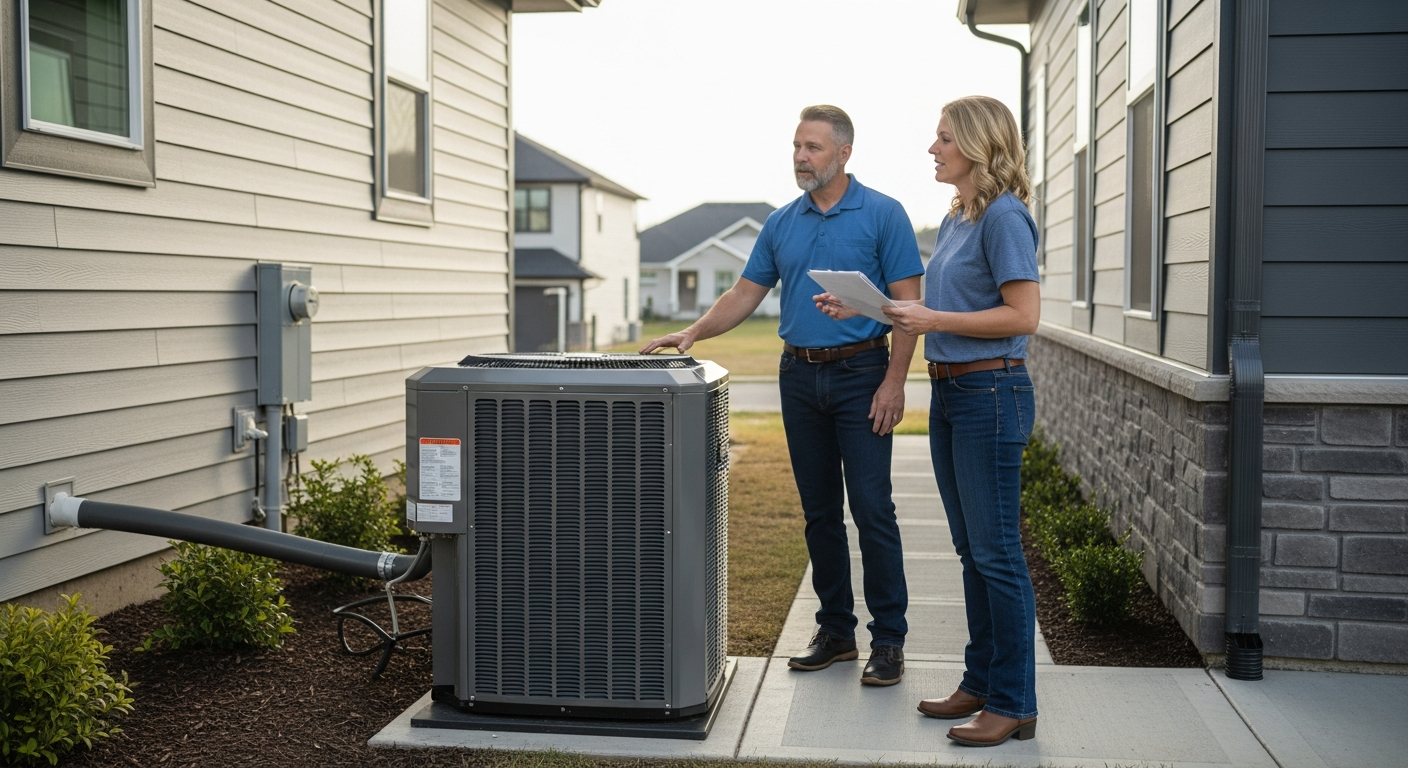
Clear Recommendation
Enable energy reports now and review monthly. Use the data to fine-tune your thermostat schedule and catch small problems early—before they turn into $500+ repairs.
What Matters Most
- Energy reports translate runtime into dollar savings—no guesswork needed.
- Thresholds like 12+ hours of cooling on a mild day signal hidden issues.
- Combine report insights with our calculators to prioritize fixes or upgrades.
- Regular review prevents emergency breakdowns and extends equipment life.
Strengths
- No extra hardware required: reports are built into major smart thermostat platforms.
- Automatic data logging and visualization replace manual tracking.
- Early problem detection can avoid emergency repair costs of $500–$1,500+.
- Actionable metrics (runtime, weather impact, manual overrides) drive informed decisions.
Weaknesses
- Requires stable Wi-Fi and cloud service from the manufacturer.
- Report accuracy relies on correct utility rate and zip code input.
- Does not diagnose specific equipment faults—only highlights symptoms.
- Monthly reports may miss short-term, rapid-cycling issues.
Decision Summary
| Scenario | Usually do | Why |
|---|---|---|
| Sporadic high runtime but no comfort issues | Replace air filter, check vents, review schedule | Filter blockage is the most common fix; closed vents increase pressure and runtime. |
| Runtime spikes overnight with no weather change | Call a pro for diagnostic ($80–$200) | Possible refrigerant leak, stuck contactor, or failing compressor—needs licensed repair. |
| System cycles on/off every few minutes | Inspect thermostat placement; if near heat source, move it or add remote sensor. If not, call pro. | Short cycling destroys compressors and can indicate oversizing or electrical fault. |
| High usage in one room but low overall | Check damper positions; consider smart vents or zoning. See our zoning guide. | Balancing airflow prevents overworking the system and improves comfort. |
Quick Answer
Most smart thermostats from Nest, Ecobee, and Honeywell include built-in energy reporting that shows how long your HVAC runs, how weather affects usage, and where manual overrides waste energy. To get started, connect your thermostat to Wi-Fi, enable data sharing in the app, and enter your zip code and utility rates if available. Then review monthly reports to spot trends like excessive cycling or uneven heating. Use our energy calculator to estimate dollar savings from schedule adjustments.
Why Smart Thermostat Energy Reports Matter
Without hard data, thermostat settings are a guessing game. Energy reports turn runtime minutes into clear metrics: total heating/cooling hours, weather influence, and how often you override your schedule. A typical home can cut HVAC costs by 10–15% just by fixing schedule conflicts revealed in these reports. They also flag hidden issues—like a system running 14 hours on a mild day—which often points to duct leaks, low refrigerant, or poor insulation before a major breakdown occurs. Instead of waiting for a $500 repair, you can act early.
How to Enable Reports: Step-by-Step
While menus differ, the process is similar across major brands. Complete these steps for your specific device.
- Connect to Wi-Fi and link the app. Without cloud access, the thermostat can’t generate reports. If your connection drops, check our Wi-Fi setup guide.
- Turn on data sharing. In the app, navigate to Account > Privacy or Settings > Energy Reports. Toggle “Energy Usage Reports” or “Home Reports” to On. This lets the manufacturer analyze your data securely.
- Enter your location and utility details. Set your zip code so the report factors local weather. If the app supports it, input your electric/gas rate (found on your bill) for dollar estimates. This turns abstract hours into real cost figures.
Brand-Specific Tips
| Brand | Where to enable | Extra features |
|---|---|---|
| Nest | Home app > Settings > Notifications > Home Report | Nest Renew adds carbon‑aware scheduling |
| Ecobee | Main Menu > Settings > Preferences > Monthly Reports | System monitoring alerts for abnormal runtime |
| Honeywell Home | Resideo app > Menu > Reports | Comparison to similar homes in your area |
Safety Boundaries: What Homeowners Can and Cannot Do
Energy reports are a diagnostic tool, not a repair manual. Some issues they reveal require professional attention.
Safe Homeowner Checks
- Review runtime patterns in the app: look for sudden spikes or days with zero cooling in hot weather.
- Check and change your air filter—a clogged filter is the most common cause of high runtime.
- Adjust thermostat schedules to match your actual occupancy, reducing manual overrides.
- Use remote sensors (if available) to balance temperatures; see our geofencing guide for automatic adjustments.
Pro‑Only Work
- If reports show excessive runtime despite mild weather, a technician should check refrigerant charge, duct integrity, and blower motor operation.
- Short cycling (on‑off cycles shorter than 10–15 minutes) often points to an oversized system, refrigerant leak, or failing capacitor—diagnosis requires multimeter and gauges.
- Never attempt to recharge refrigerant yourself; EPA certification is required.
- Electrical issues like intermittent power losses need a licensed electrician or HVAC pro.
Cost reference: A standard diagnostic visit runs $80–$200; after‑hours may be higher. Use our HVAC cost estimator to budget repairs in your area.
Decision Rules: When to Act on Report Data
Use these thresholds to decide if a pattern needs attention. All values assume a properly sized system in average weather.
| Report Finding | Concrete Threshold | Recommended Action |
|---|---|---|
| Daily cooling runtime in summer | Exceeds 12 hours on a 90°F day | Evaluate insulation, air leaks, or system sizing. Try our BTU calculator to check if your unit matches your home. |
| Daily heating runtime in winter | Exceeds 16 hours when outdoor temp > 20°F | Suspect duct leaks or dirty filter. Consider an HVAC maintenance visit ($80–$250). |
| Manual override frequency | More than 3 manual adjustments per week | Your schedule doesn’t match your routine. Re‑program to avoid wasteful slamming of the system. |
| Idle time during peak heat/cold | Less than 2 hours of idle in a 24‑hour period | System is overworked; could lead to premature failure. Explore zoning or smart vents—see zoning guide. |
| Month‑over‑month runtime spike | Increase >30% without weather change | Likely a maintenance issue: check filter, outdoor unit debris, or coil freeze. Editorial estimate: common repairs $150–$650. |
Turning Reports Into Savings: Tools & Calculators
Numbers are only as good as the decisions they drive. Our energy savings calculator helps you quantify the impact of a 1° setpoint change or a repaired duct leak. For homeowners considering an upgrade, the repair‑or‑replace calculator factors in your current system’s runtime data to estimate long‑term costs. If you’re unsure about local rates, use the rebate finder to stack incentives on efficient upgrades.
Local Context: Your Climate Changes What Matters
- Hot & humid (e.g., Houston, Miami): Pay extra attention to runtime and humidity control. If reports show cooling running 16+ hours, your system may be undersized or struggling with latent load. A proper load calculation is critical.
- Cold climates (e.g., Chicago, Boston): Look at heating runtime and aux heat usage. Heat pumps without aux lockout can waste hundreds on resistance heat. Check our heat pump cost guide for efficiency comparisons.
- Coastal/mild (e.g., San Diego): Runtime might be low, but moisture and salt air corrode outdoor units. Combine reports with visual inspections—rust or pitted fins need pro cleaning.
- Older homes (pre‑1980): High runtime is often due to poor envelope. Before replacing HVAC, consider an energy audit. Report data can justify upgrades like attic insulation.
Contractor Checklist: Questions to Ask a Pro
When you invite an HVAC technician based on report findings, arm yourself with these questions:
- “My thermostat report shows the system runs X hours on a typical summer day. Is that normal for my unit’s size?”
- “Can you measure static pressure and check duct leakage to explain high runtime?”
- “Do you offer a maintenance plan that includes seasonal cooling/heating checks? Typical cost $150–$500/year.”
- “If I need a repair, please provide a written quote with part numbers and labor—no verbal ballparks.”
- “Are there any rebates or tax credits I can use for a more efficient replacement?” Share your report data; some utilities reward documented savings.
Compare quotes with our quote checker to avoid overpaying.
Methodology: How We Form Recommendations
Our decision rules and editorial cost estimates draw on aggregated data from ENERGY STAR®, ASHRAE comfort guidelines, field service pricing surveys, and user-reported thermostat performance. Runtime thresholds are conservative and assume a home with average insulation and a properly sized system. Always validate against a professional load calculation for your specific property. Links to calculators and tools are based on peer-reviewed engineering principles and real-world contractor feedback. We do not receive compensation for product mentions.
Frequently Asked Questions
Do I need a smart thermostat to get energy reports?
Yes. Standard programmable thermostats don’t connect to the cloud to log data. However, you can manually track usage with a cheap energy monitor on your HVAC circuit. Smart thermostats simplify this and add remote control.
Will enabling reports compromise my privacy?
Most brands aggregate data anonymously. Read the privacy policy—Nest and Ecobee allow you to opt out of sharing with third parties. The report itself only shows you patterns, not third-party access.
My report shows high usage but my bills are low—what gives?
Possible causes: you’re on a time-of-use plan and mostly run the system during off-peak, or the report includes auxiliary heat that isn’t metered separately. Double-check rate settings in the app.
How often should I review reports?
Monthly is ideal. Look for your system’s seasonal ramp-up. Weekly checks can catch anomalies like a malfunctioning sensor or a door left open that spiked runtime.
Can I use reports to prove I need a new system?
Absolutely. Print or export runtime logs showing excessive hours and take them to a contractor. They’re objective evidence that can support a repair‑or‑replace decision. Use our repair‑or‑replace calculator to estimate payback.
Related articles
Connect this page to adjacent guides so readers keep moving deeper into the topic cluster.
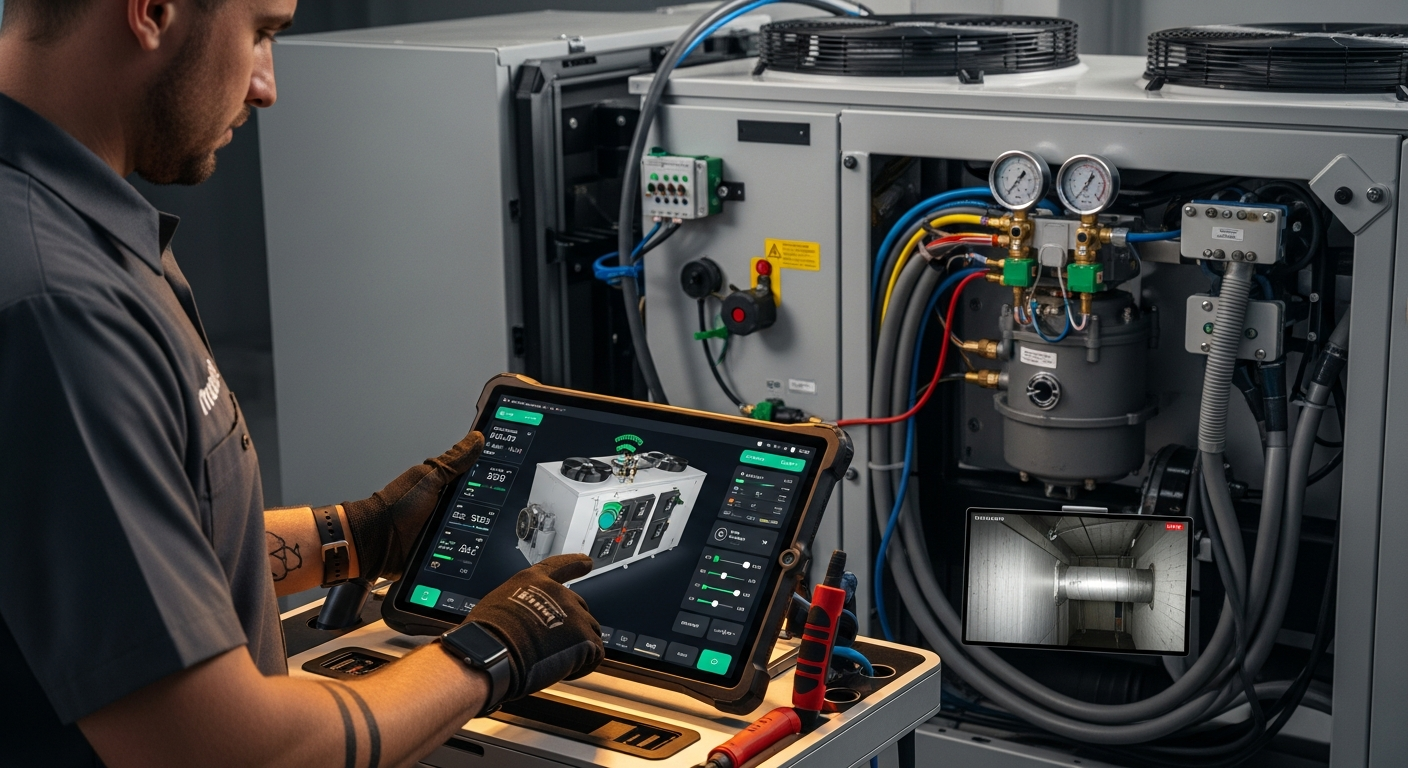
How to Implement a Whole Home Energy Management System
Integrate smart tech and HVAC controls to cut energy waste. This guide shows how to audit, upgrade, and automate your home's energy use, with real savings estimates.

How to Set Up Thermostat Geofencing
Set up thermostat geofencing to automatically adjust home temperature as you come and go. Save energy, extend equipment life, and never return to an uncomfortable house. Get our quick-start guide now.
How to Troubleshoot Smart Thermostat WiFi Issues
Your smart thermostat offline? Most WiFi drops can be fixed with power checks, router adjustments, and simple restarts. Follow our step-by-step guide to regain remote control and energy savings.