Radon Mitigation System Cost Guide
Discover the average costs for radon mitigation systems and learn how professional installation protects your family's health and home value.
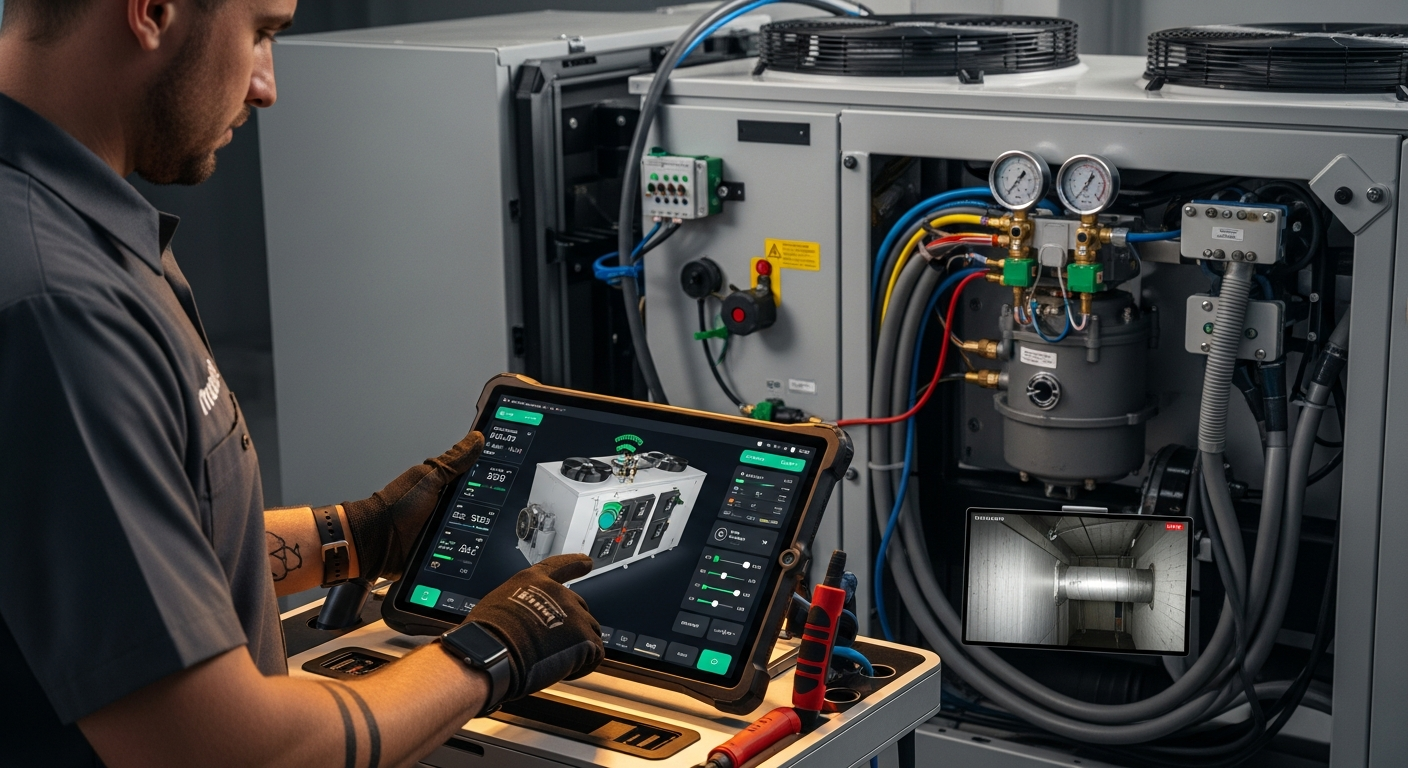
Understanding Radon Mitigation Costs
Radon is a colorless, odorless gas that can seep into your home through the foundation. It is the second leading cause of lung cancer, making mitigation a top priority for health-conscious homeowners. While the average cost to install a radon mitigation system typically ranges between $800 and $1,500, several factors can influence the final price.
For many, this investment is a critical component of maintaining a healthy living environment. Much like learning the growing importance of indoor air quality post-pandemic, addressing radon is about long-term safety. Finding a qualified professional on HVACDatabase.com ensures the job is done right the first time.
Factors That Influence Radon Mitigation Pricing
The total cost of your radon system isn't just about the hardware. The layout of your home and the specific mitigation method required play significant roles in the final estimate.
Home Foundation Type
Homes built on a slab or with a full basement are generally the most straightforward to treat. However, if your home has a crawl space, costs may rise. Encapsulating a crawl space with a plastic vapor barrier is often necessary to seal out the gas, which adds both material and labor costs.
System Components and Materials
A standard system includes PVC piping, a specialized radon suction fan, and a manometer to monitor system pressure. Higher-quality fans or more complex pipe routing to hide the system inside closets or attics will increase the price. If you are already looking into the cost to install register booster fans, you might find that adding radon mitigation requires similar electrical considerations.
Labor and Location
Labor rates vary significantly by region. For example, the hvac installation cost in Charleston may differ from rates in the Midwest due to local demand and building codes. Always get multiple quotes from trusted local contractors found on HVACDatabase.com.
Common Radon Mitigation Methods
There are several ways to tackle radon, and the method chosen will dictate your budget. Your HVAC professional will perform a diagnostic test to see which fits your home best.
- Active Soil Depressurization (ASD): This is the most common method. A fan creates a vacuum under the foundation to pull radon out and vent it above the roofline.
- Sub-Membrane Suction: Used in homes with crawl spaces, this involves laying a plastic sheet and using a fan to exhaust gas from beneath it.
- ERVs and HRVs: Energy Recovery Ventilators improve air exchange. While not always a primary radon solution, they are excellent for how to manage hvac for family members with asthma by diluting indoor pollutants.
Maintenance and Operating Costs
Once installed, radon systems are relatively inexpensive to run. The fan stays on 24/7, consuming about as much electricity as a standard light bulb. You should expect to replace the fan every 5 to 10 years, which usually costs between $300 and $600 including labor.
It is also vital to keep your home clean during any home improvements. Following tips for keeping your indoor air clean during renovations can prevent dust and debris from clogging your new mitigation system or your existing HVAC filters.
Testing After Installation
A post-mitigation test is non-negotiable. Most professional installers include this in their package. This ensures the radon levels have dropped below the EPA's action level of 4.0 pCi/L. If you are comparing air purification methods, such as an ionizer vs hepa air purifier, remember that while those help with particles, only a dedicated mitigation system effectively removes radon gas.
Choosing the Right Contractor
Don't settle for the lowest bid without checking credentials. Radon mitigation requires specialized knowledge of pressure diagnostics and local building codes. In some states, contractors must be specifically licensed for radon work.
When searching for professionals, consider their experience in similar climates. For instance, those familiar with the hvac installation cost in Tampa understand how high humidity and water tables affect foundation work. You can find verified, high-quality HVAC experts through the HVACDatabase.com directory to ensure your home remains a safe haven.
Key Questions to Ask
- Are you certified by the NRPP or AARST?
- Does the quote include the cost of the post-mitigation test?
- How long is the warranty on the radon fan?
- Will the system be installed internally or on the exterior of the house?
Conclusion
Radon mitigation is an essential home health investment. While the upfront cost might seem high, the peace of mind and protection against long-term health risks are invaluable. By using HVACDatabase.com, you can connect with professionals who will help you breathe easier and maintain the value of your property.
Related articles
Connect this page to adjacent guides so readers keep moving deeper into the topic cluster.
Duct Booster Fan Installation Cost
Struggling with hot or cold rooms? Discover the costs associated with installing a duct booster fan to balance your home temperature and improve airflow.
Makeup Air Unit Installation Cost Guide
Planning a kitchen remodel or improving air quality? Learn the total costs and benefits of installing a makeup air unit in your home today.
Cost to Install a Powered Attic Ventilator
Discover the costs involved in installing a powered attic ventilator to improve your home's energy efficiency and reduce attic temperatures.