Makeup Air Unit Installation Cost Guide
Planning a kitchen remodel or improving air quality? Learn the total costs and benefits of installing a makeup air unit in your home today.
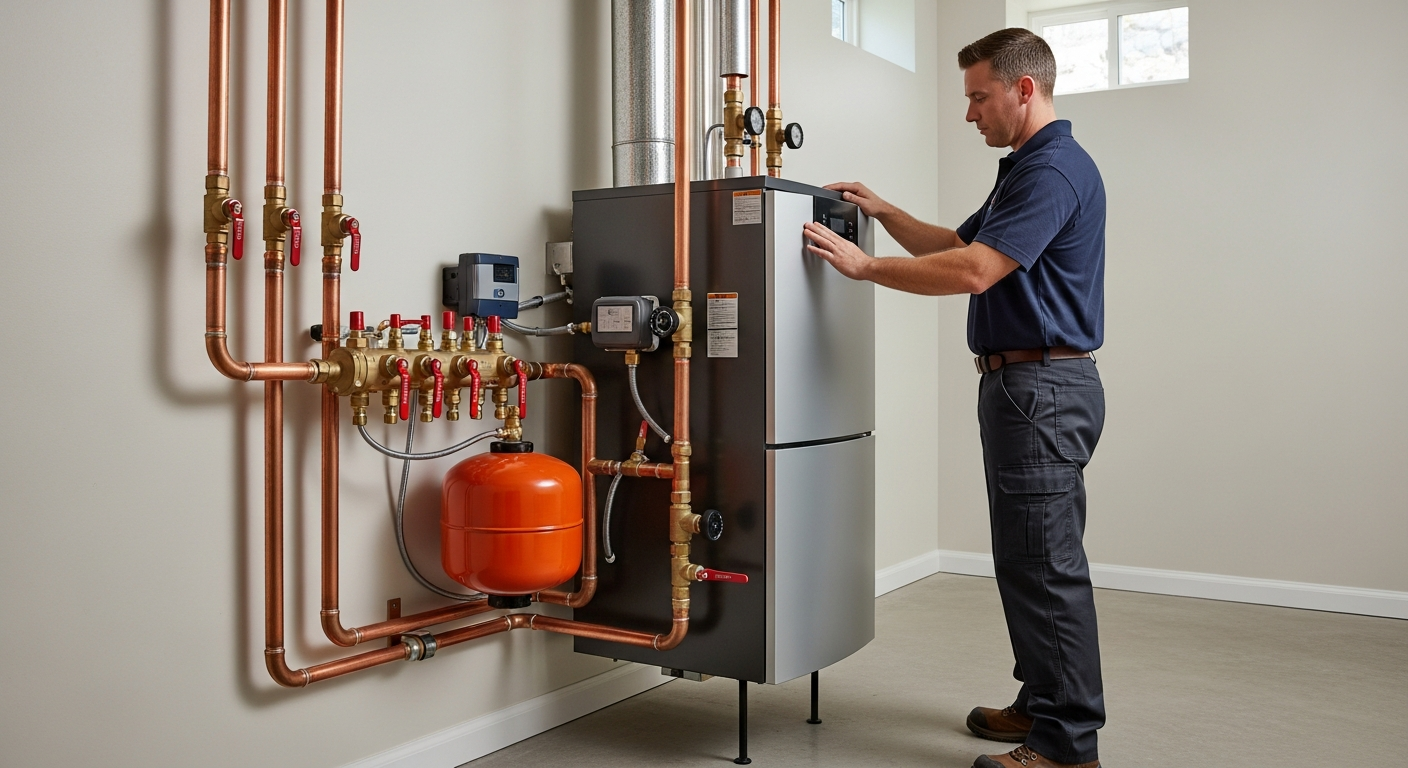
What Is a Makeup Air Unit and Why Do You Need One?
A makeup air unit (MAU) is a specialized HVAC system designed to replace the air exhausted from a building with fresh outdoor air. This is particularly important in modern, airtight homes where powerful range hoods or laundry vents create negative pressure.
When your home loses more air than it takes in, it can lead to backdrafting of appliances and poor indoor air quality. By installing a makeup air unit, you balance the pressure and ensure your ventilation systems work efficiently.
Average Cost to Install a Makeup Air Unit
The cost to install a makeup air unit typically ranges from $1,500 to $4,500. This price includes both the equipment and the professional labor required for a standard residential setup.
High-end commercial-grade units for massive residential kitchens can exceed $6,000. On the lower end, simple passive dampers might cost as little as $800 to $1,200 including installation.
Breakdown of Equipment Costs
The unit itself is the largest expense. A basic residential makeup air damper costs between $300 and $700. However, if you require a tempered unit that heats or cools the incoming air, prices jump to $1,500 - $3,000 for the hardware alone.
Labor and Installation Expenses
Labor costs generally fall between $500 and $1,500. This involves cutting through exterior walls, wiring the unit to your thermostat or range hood, and integrating it with your existing ductwork.
If you are unsure about the state of your current ventilation, it is helpful to start by checking if your HVAC ducts are leaking. Leakage can complicate pressure balancing and increase the complexity of the job.
Factors That Influence Your Total Price
Several variables can shift your budget significantly. Understanding these can help you get an accurate quote from a professional found on HVACDatabase.com.
- Unit Type: Passive dampers are cheapest, while powered fans with heating coils are the most expensive.
- Ductwork Complexity: Adding new runs increases costs. You may want to compare ductboard vs sheet metal ductwork for your specific installation needs.
- Electrical Requirements: Powered units often require a dedicated 120V or 240V circuit, which may necessitate an electrician.
- Local Climate: In colder regions, you must install a tempered unit to prevent freezing air from entering your home, which increases the price.
The Importance of Airflow and Static Pressure
Installing a makeup air unit is not just about moving air; it is about precision. Contractors must calculate the exact amount of air needed to offset your exhaust fans.
This involves understanding the difference between CFM and static pressure. If the unit is undersized, you will still experience negative pressure issues. If it is oversized, you are wasting energy.
Properly sizing the unit ensures that your furnace or air conditioner doesn't work overtime. For example, if you are also looking at the cost to replace a furnace gas valve, you know that keeping your system in balance prevents unnecessary wear and tear.
Passive vs. Powered Makeup Air Systems
Passive systems use a pressure sensor to open a damper when a range hood turns on. These are affordable but can bring in very cold or very hot air directly into the home.
Powered systems use a fan to force air in. These are often integrated into the main HVAC trunk. This is a common practice when calculating the cost to install ductwork in a new home to ensure the entire system is balanced from day one.
Regional Cost Variations
Where you live matters. Labor rates in high-cost areas will push your total higher. For instance, looking at specific regional data like HVAC installation costs in Oklahoma City can give you a baseline for mid-market labor pricing.
Always consult with a local professional to understand the specific building codes in your municipality, as some areas require makeup air for any hood exceeding 400 CFM.
Choosing the Right Equipment
Not all units are created equal. When selecting a brand, consider durability and parts availability. Many homeowners look at the American Standard HVAC equipment buying guide to see how different brands stack up in terms of ventilation accessories.
A high-quality unit will feature a washable filter to prevent dust and pollen from entering your home, further improving your indoor air quality.
How to Find a Trusted HVAC Contractor
Installing a makeup air unit requires knowledge of building codes, electrical work, and airflow physics. It is not a DIY project for most homeowners.
You can find trusted, pre-screened HVAC contractors on HVACDatabase.com. Working with a professional ensures that your system is sized correctly and that your home remains a safe, comfortable environment.
Questions to Ask Your Installer
- Is the unit sized to match my range hood's maximum CFM?
- Will the incoming air be filtered and tempered?
- Does the installation meet local mechanical codes?
- Will this unit integrate with my existing smart thermostat?
By investing in a makeup air unit, you protect your home from backdrafting and carbon monoxide risks while enjoying the high-performance kitchen appliances you love.
Related articles
Connect this page to adjacent guides so readers keep moving deeper into the topic cluster.
Duct Booster Fan Installation Cost
Struggling with hot or cold rooms? Discover the costs associated with installing a duct booster fan to balance your home temperature and improve airflow.
Radon Mitigation System Cost Guide
Discover the average costs for radon mitigation systems and learn how professional installation protects your family's health and home value.
Cost to Install a Powered Attic Ventilator
Discover the costs involved in installing a powered attic ventilator to improve your home's energy efficiency and reduce attic temperatures.