Understanding Balanced Ventilation Systems
Discover how balanced ventilation systems like ERVs and HRVs create a healthier home environment by managing airflow and humidity levels effectively.

What is Balanced Ventilation?
In the past, homes were naturally 'drafty,' allowing fresh air to seep in through cracks in windows and doors. While this provided ventilation, it was incredibly inefficient for heating and cooling. Modern homes are built to be airtight, which saves energy but traps pollutants, moisture, and odors inside.
A balanced ventilation system solves this by using two fans: one to exhaust stale indoor air and another to pull in fresh outdoor air. Because the amount of air entering the home equals the amount leaving, the house remains 'balanced' in terms of air pressure.
Maintaining this balance is critical for improving your indoor air quality and protecting your home's structural integrity. Homeowners looking for professional installation can find trusted experts on HVACDatabase.com to ensure their system is sized correctly.
The Two Main Types: ERV vs. HRV
When shopping for a balanced ventilation system, you will encounter two primary technologies: Heat Recovery Ventilators (HRV) and Energy Recovery Ventilators (ERV). Both systems use a heat exchanger to transfer energy between the two air streams.
Heat Recovery Ventilators (HRV)
An HRV captures heat from the exhaust air in the winter and uses it to pre-heat the incoming cold air. In the summer, it reverses the process. It is ideal for colder climates where heating costs are the primary concern.
Energy Recovery Ventilators (ERV)
An ERV goes a step further by transferring both heat and moisture (humidity). In the summer, it helps dehumidify the incoming fresh air, and in the winter, it prevents the indoor air from becoming too dry. This is often the preferred choice for humid climates.
Benefits of a Balanced System
Installing a balanced system offers several advantages over simple exhaust fans or supply-only systems. Here is why many homeowners are making the switch:
- Improved Health: By constantly cycling in fresh air, you reduce the concentration of VOCs, allergens, and carbon dioxide.
- Moisture Control: These systems help prevent mold growth by exhausting moisture from kitchens and bathrooms.
- Energy Efficiency: Because the system recovers energy from the outgoing air, your furnace or air conditioner doesn't have to work as hard to treat the new air.
- Consistent Comfort: Balanced pressure eliminates the drafts often caused by simple exhaust fans.
Integration and Installation
Most balanced ventilation systems are integrated into your existing HVAC ductwork. However, if you are building a new property, you may need to consider the cost to install ductwork specifically designed for high-efficiency ventilation.
It is important to note that while these systems filter incoming air, they aren't the only way to clean your home's atmosphere. Some homeowners also look into bipolar ionization for HVAC to further neutralize pathogens and particles.
Maintenance Tips for Homeowners
To keep your ventilation system running at peak performance, regular maintenance is required. A neglected system can become a source of pollutants rather than a solution for them.
- Clean the Filters: Most units have washable or replaceable filters that should be checked every 3 months.
- Inspect the Core: The heat exchange core should be vacuumed or cleaned annually to remove dust buildup.
- Clear the Vents: Ensure that the outdoor intake and exhaust hoods are not blocked by leaves, snow, or bird nests.
- Duct Maintenance: You should clean your air ducts regularly to ensure the balanced air is actually reaching the rooms it is intended for.
Is Balanced Ventilation Right for You?
If you live in a newer, tightly sealed home, a balanced ventilation system is almost a necessity. If your home feels stuffy, has lingering odors, or experiences condensation on the windows during winter, your ventilation is likely inadequate.
For those in specific regions, such as if you are searching for the best HVAC contractors in Greenville, local professionals can perform a blower door test to see exactly how 'tight' your home is. This data helps determine if an ERV or HRV is the best investment for your comfort.
While high-tech systems are great, some people prefer a hands-on approach. If you are waiting for a professional installation, you might even learn how to build a DIY air purifier as a temporary measure to keep air moving and clean in specific rooms.
Finding a Professional
Because balanced ventilation involves complex air pressure calculations, it is not a recommended DIY project. Improper installation can lead to backdrafting of appliances or moisture issues inside your walls.
You can find trusted, licensed HVAC contractors on HVACDatabase.com who specialize in indoor air quality. A professional can help you decide between an ERV or HRV and ensure it integrates perfectly with your existing equipment, such as a furnace or heat pump system.
Take control of your home's air today. A balanced system is an investment in your health, your comfort, and the longevity of your home.
Related articles
Connect this page to adjacent guides so readers keep moving deeper into the topic cluster.
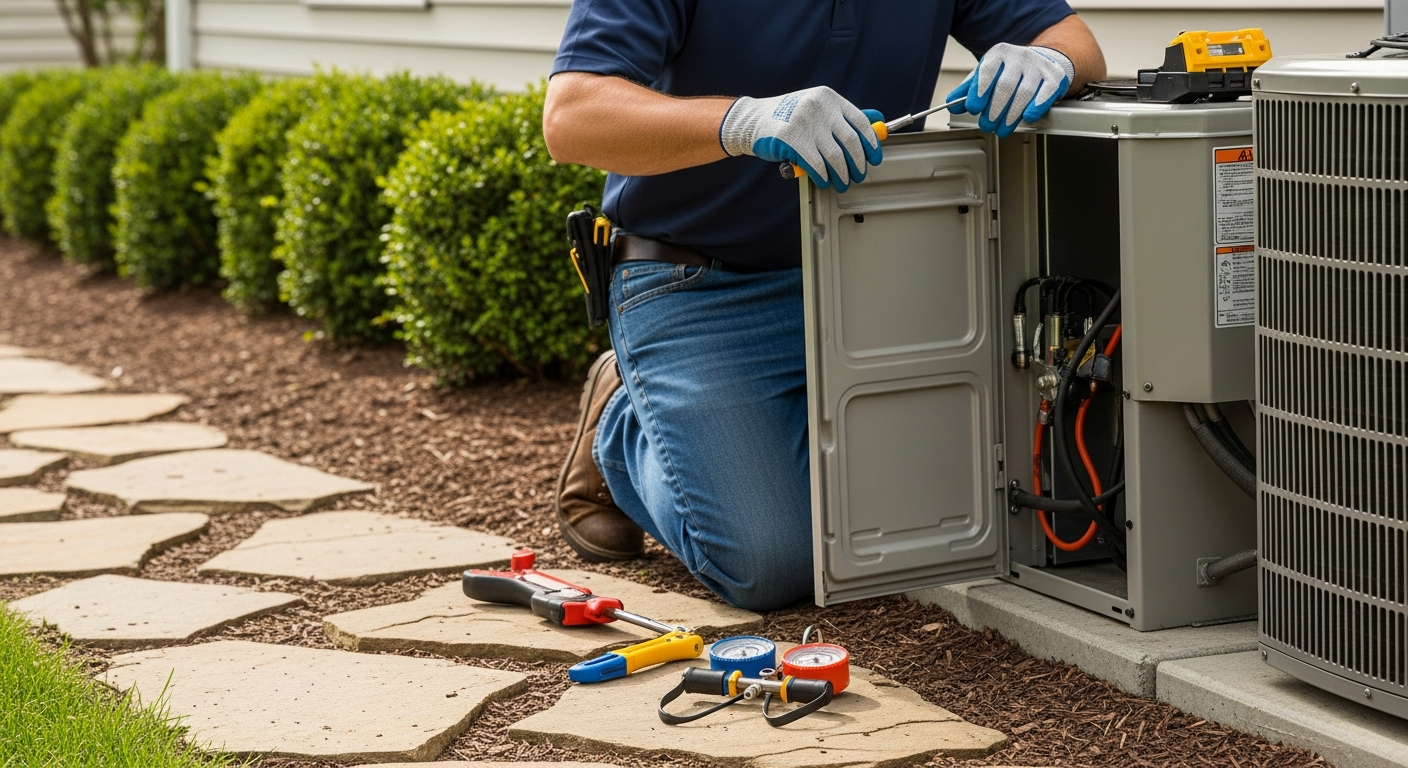
Understanding Bipolar Ionization for HVAC
Discover how bipolar ionization technology can purify your home's air by neutralizing pathogens and odors through your HVAC system.
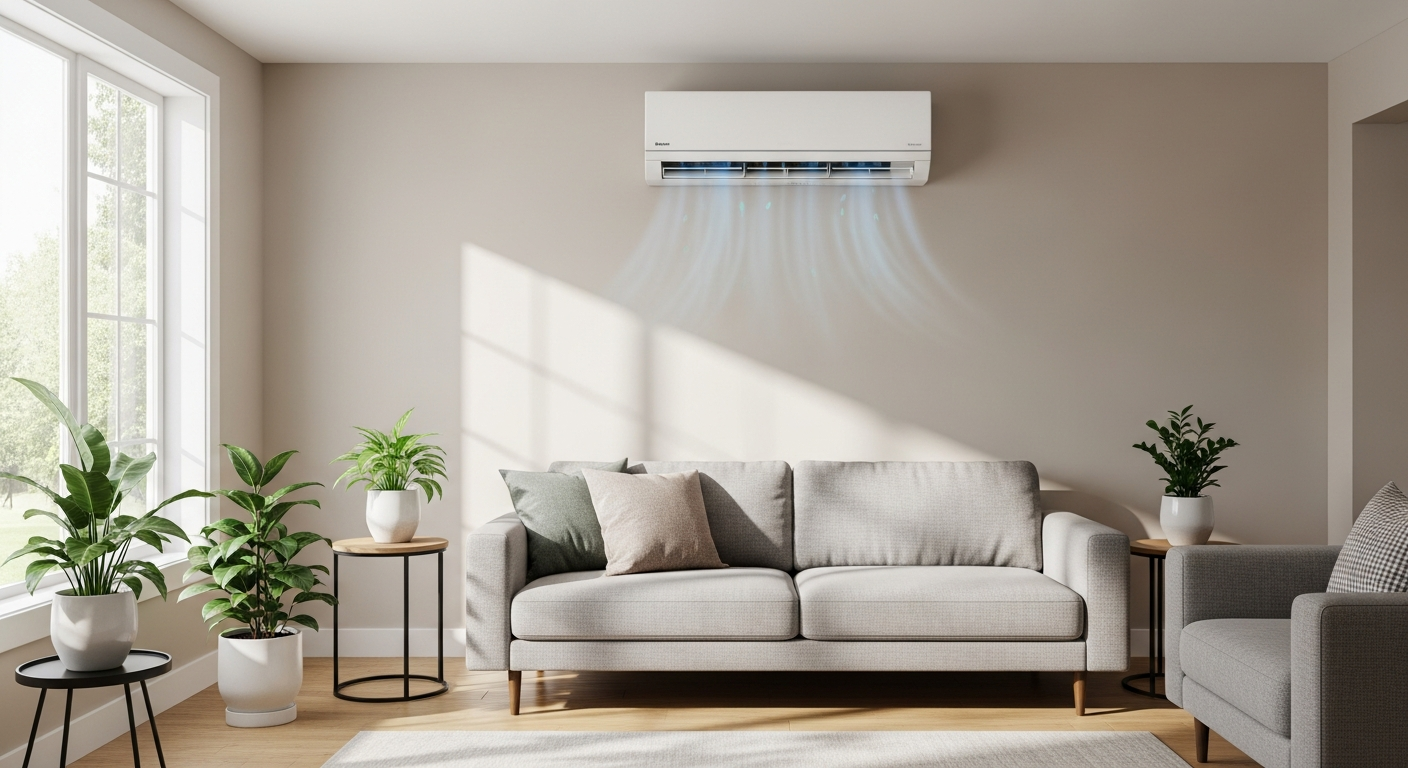
Tips for Reducing Dust Mites With HVAC
Eliminate allergens and breathe easier by leveraging your HVAC system to control dust mite populations and improve your home's overall air quality.
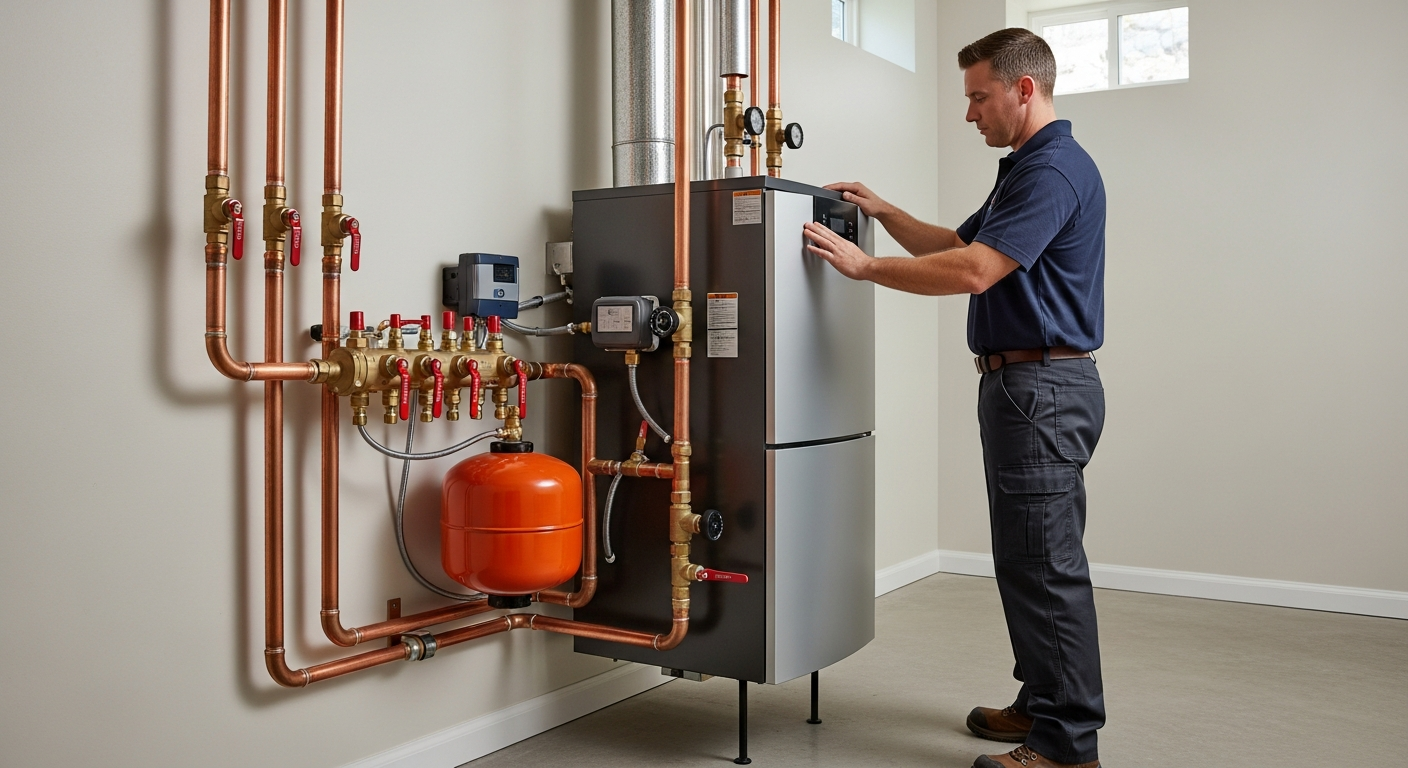
Why You Should Test Your Home for Radon
Radon is an odorless, invisible gas that can pose serious health risks. Discover why testing your home is the only way to ensure your indoor air is safe for your family.