Tips for Heating a Home With Radiant Barriers
Radiant barriers can reduce winter heat loss through ceilings, but they are not a replacement for insulation. Learn when they help and what else you need for a warm, efficient home.
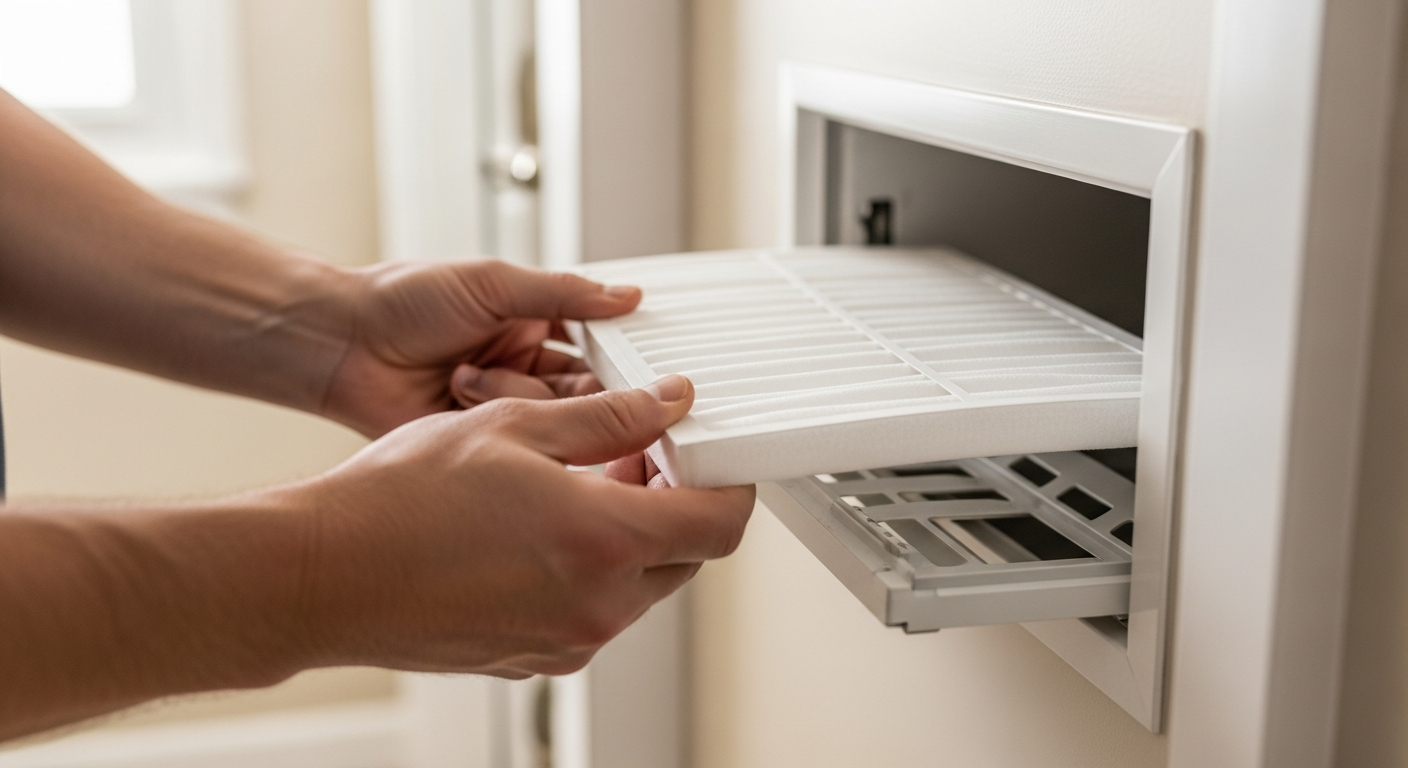
Radiant barriers help in winter but are no substitute for insulation.
Focus on air sealing and sufficient R‑value first. Radiant barriers can trim heating bills by 5–10% in mild‑winter climates, but in cold zones, insulation does the heavy lifting.
What Matters Most
- A radiant barrier needs a clear air gap facing the reflective side to work for heating.
- In cold climates, adding attic insulation offers far better returns than a radiant barrier.
- Air leaks bypass both insulation and radiant barriers—seal them first.
- Combine a radiant barrier with proper attic ventilation to prevent moisture damage.
- Use the provided tools to size up your system and verify contractor quotes.
Strengths
- Low‑cost way to reduce radiant heat loss in mild winters.
- Works year‑round, improving both summer cooling and winter heating efficiency.
- Requires no maintenance once installed correctly.
- Can complement bulk insulation without replacing it.
Weaknesses
- Dust accumulation on the reflective surface gradually reduces performance.
- Minimal benefit in very cold climates where conduction dominates heat loss.
- Improper installation (no air gap, perforations blocked) can cause moisture issues.
- Does nothing to stop convective heat loss from air leaks.
When to Prioritize Radiant Barrier vs. Insulation for Heating
| Scenario | Usually do | Why |
|---|---|---|
| Hot summers, mild winters (e.g., Dallas, Atlanta) | Install radiant barrier + insulation ≥ R‑38 | Barrier cuts both cooling and heating needs; insulation backs it up. |
| Very cold winters, moderate summers (e.g., Minneapolis, Buffalo) | Max out insulation to R‑49 or R‑60; skip new radiant barrier | Heating need dwarfs any reflective benefit; conductive heat loss is the main enemy. |
| Older home with drafty attic and no radiant barrier | Air seal + blow in insulation first, then consider a radiant barrier | Sealing air leaks gives instant comfort; insulation prevents conductive loss; barrier is a final tweak. |
| House already has a radiant barrier but high heating bills | Check insulation depth, air seal, and HVAC efficiency | A radiant barrier alone can't compensate for insufficient R‑value or a leaky ceiling. |
Quick Answer
Yes, radiant barriers can help reduce winter heat loss by reflecting some of the radiant heat from your ceilings back into the living space. However, they are not a substitute for adequate attic insulation. Their heating benefit is modest—most noticeable in climates with mild winters and hot summers. In cold climates, bulk insulation and air sealing deliver far greater heating savings. A properly installed radiant barrier requires an air gap facing the reflective side and works best when paired with well-sealed ceilings and balanced attic ventilation.
Safety Boundaries for Homeowners
Safe Homeowner Checks
- Visual attic inspection from the access hatch (do not walk on joists unless you have a safe, floored path and proper protective gear).
- Check for compressed insulation or debris blocking the radiant barrier’s air gap.
- Ensure soffit and ridge vents are unobstructed.
- Look for moisture stains or condensation on the underside of the roof deck.
- Use spray foam or weatherstripping to seal small air leaks around recessed lights, plumbing stacks, and attic hatches.
Pro‑Only Work
These tasks involve high‑voltage electricity, gas, refrigerants, or structural risks. Do not attempt them yourself:
- Any furnace, boiler, or heat pump repair (ignitors, gas valves, refrigerant, capacitors, contactors, control boards).
- Installing, removing, or modifying radiant barriers in steep or hard‑to‑reach attic spaces.
- Blower door testing or major air sealing that requires professional equipment and interpretation.
- Electrical work, ductwork modifications, or adding whole‑home humidifiers.
Radiant Barrier Efffectiveness by Climate
| Climate Zone | Heating Benefit from Radiant Barrier | Recommended Focus for Winter Comfort | |
|---|---|---|---|
| Hot‑Humid / Hot‑Dry (e.g., Phoenix, Miami) | Low–moderate; still worth combining with insulation | Insulation ≥ R‑30, radiant barrier with air gap, attic ventilation, HVAC efficiency | |
| Mixed‑Humid / Marine (e.g., Nashville, Seattle) | Moderate; can trim heating needs in shoulder seasons | Air sealing, insulation ≥ R‑38, radiant barrier if already installed | |
| Cold / Very Cold (e.g., Chicago, Minneapolis) | Minimal; bulk insulation does nearly all the work | Insulation ≥ R‑49, thorough air sealing, HVAC upgrade, ignore radiant barrier for heating |
Decision Rules: Is Your Radiant Barrier Helping Enough?
If you answer yes to any of these, take the suggested action:
- High heating bills but a newer radiant barrier? Check attic insulation depth (should be at least the recommended R‑value for your zone). If it’s compressed or thin, add more. Use our BTU Calculator to see if your furnace is oversized.
- Condensation on windows or musty attic smell? Verify soffit vents are not blocked and that bathroom fans vent outdoors. Consider adding a ridge vent or powered attic ventilator (pro installation).
- Rooms directly under the attic are cold? Look for air leaking past recessed lights, attic hatches, or partition walls. Seal with caulk or foam.
- Furnace starts but short cycles? A dirty air filter or thermostat error could be the culprit. Try a safe thermostat check first, then call a pro. Learn more in our furnace troubleshooting guide.
- Thinking of upgrading your HVAC? Run our Repair or Replace Calculator to compare costs and rebates.
Contractor Checklist: Before Approving Work
Use these questions when talking to insulation or HVAC professionals:
- “Can you measure my attic’s current R‑value and confirm the radiant barrier still has a clear air gap?”
- “What is the expected payback for adding insulation versus upgrading my furnace?”
- “Will a blower door test help identify hidden air leaks? What does it cost?” (editorial estimate: $200–$500, often rolled into an energy audit)
- “Do I need perforated radiant barrier to allow moisture to escape?”
- “Are there utility rebates or tax credits for insulation or HVAC upgrades in my area?” Use our Rebate Finder to double‑check.
- “How will a new HVAC system work with my existing ductwork and radiant barrier?”
- “What’s your price for a seasonal maintenance plan, and does it include attic inspection?” (Maintenance visits: $80–$250; annual plans typically $150–$500.)
Always get three itemized quotes and verify licenses. Search for pre‑vetted contractors on HVACDatabase’s search or compare contractors side by side.
Tools to Sizing Up Your System
- BTU Calculator: Estimate the heating capacity your home needs.
- Repair or Replace Calculator: Factoring in age, efficiency, and repair costs.
- Rebate Finder: Find local incentives for insulation and HVAC upgrades.
- System Age Decoder: Decode your furnace’s manufacturing date from the serial number.
- Cost Guide Hub: Typical pricing for common heating repairs and installations.
How We Form Our Recommendations
This article draws on building science from the U.S. Department of Energy, Lawrence Berkeley National Lab research on radiant barriers, and HVAC industry best practices. All cost ranges are editorial estimates reflecting typical national averages—your actual price will depend on system size, brand, region, season, access, permits, warranty status, and whether extra ductwork or electrical work is needed. Always obtain multiple quotes from qualified, licensed contractors before proceeding.
FAQs
Does a radiant barrier really help in winter?
Yes, it reflects some radiant heat from the ceiling back into the room, but the effect is much smaller than insulation’s ability to stop conductive heat loss. In mild‑winter climates, you might see a 5–10% reduction in heating energy bills; in very cold regions, the savings are negligible.
Can I install a radiant barrier over existing insulation?
Radiant barrier can be laid on top of attic floor insulation as long as there is an air gap above it. However, dust settling on the reflective surface will quickly reduce its effectiveness. A better long‑term solution is to staple a radiant barrier to the underside of the roof rafters, if feasible, leaving the floor insulation undisturbed.
Will a radiant barrier cause moisture problems in my attic?
In cold climates, a radiant barrier installed on the attic floor can act as a vapor barrier if it is not perforated, trapping moisture and potentially causing mold or rot. Always use a perforated radiant barrier in those applications to allow water vapor to pass through. Proper attic ventilation is essential regardless.
How much can I save on heating bills with a radiant barrier?
Savings vary widely. In a mixed‑humid climate with hot summers and cool winters (e.g., Nashville), a radiant barrier might reduce total annual energy costs by 5–10%. In a heating‑dominated climate, that number drops to 1–3%. The biggest ROI almost always comes from adding insulation first.
Should I remove my radiant barrier if I live in a very cold climate?
No need to remove it. It won’t hurt, but don’t count on it for winter savings. Focus your budget on bringing attic insulation up to R‑49 or R‑60 and sealing all air leaks. Leave the radiant barrier in place; it will still help during the few hot months.
Methodology
HVACDatabase estimates combine common contractor price patterns, service-category pricing ranges, equipment complexity, urgency, regional labor variation, and known HVAC safety boundaries. Actual prices vary by city, brand, system size, access, warranty status, permit requirements, and whether the visit discovers ductwork, electrical, refrigerant, gas, or drainage issues. Use these numbers to sanity-check quotes, not as a guaranteed price.
Related articles
Connect this page to adjacent guides so readers keep moving deeper into the topic cluster.

Understanding C Wire Adapters for Smart Thermostats
Missing the C wire for your smart thermostat? C wire adapters solve power issues without pulling new wiring. Compare types, costs, and installation options.
Tips for Choosing a Smart Thermostat for a Heat Pump
Learn which smart thermostat features prevent expensive auxiliary heat mistakes, how to verify compatibility, and when to call a pro.
How to Implement a Whole Home Energy Management System
Integrate smart tech and HVAC controls to cut energy waste. This guide shows how to audit, upgrade, and automate your home's energy use, with real savings estimates.