How to Prepare Your HVAC for Hurricane Season
Learn essential steps to protect your air conditioner from hurricane-force winds, flooding, and power surges to avoid costly repairs after the storm passes.
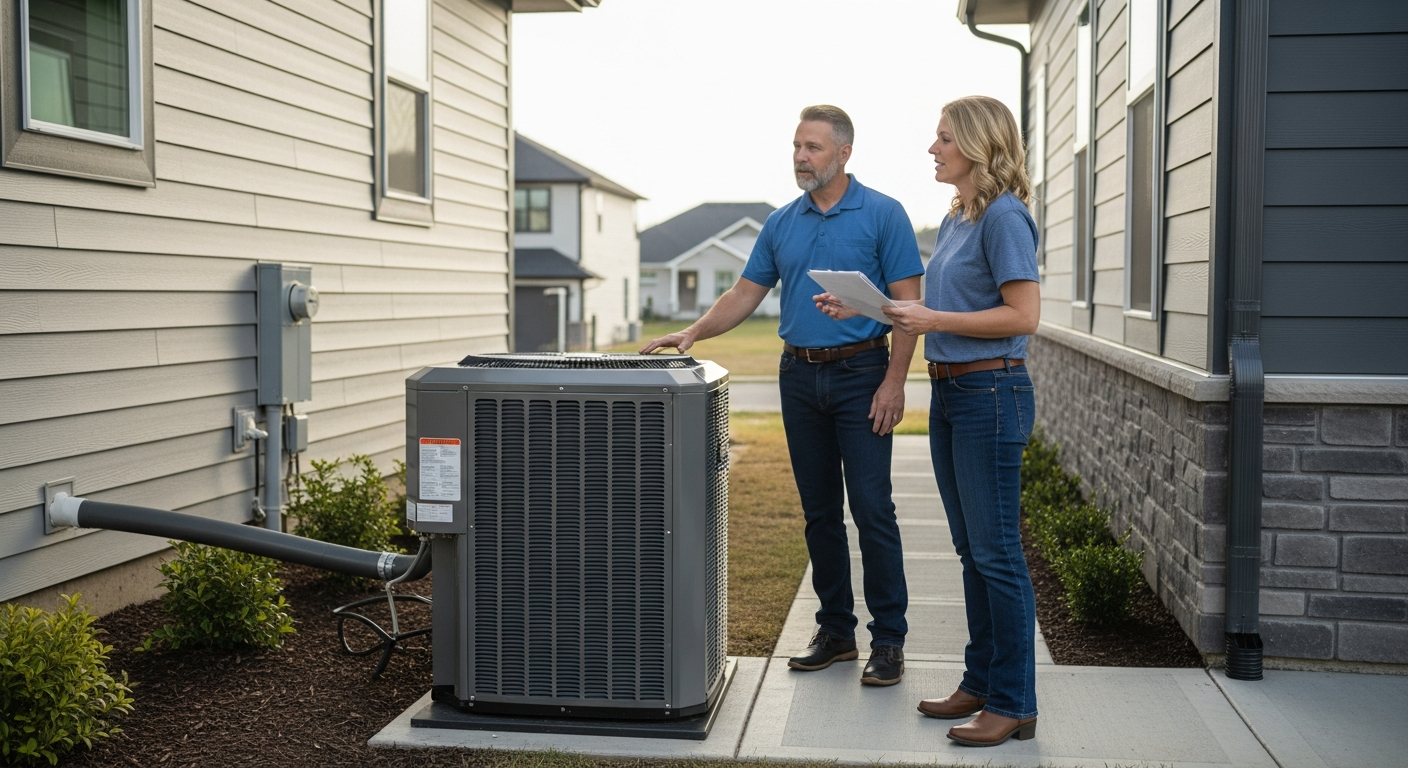
Is Your HVAC Ready for a Major Storm?
When a hurricane or tropical storm is on the horizon, most homeowners focus on boarding up windows and stocking up on water. However, your HVAC system is one of the most expensive investments in your home and is highly vulnerable to severe weather.
High winds can turn debris into projectiles, heavy rains can flood sensitive electronics, and power surges can fry compressors in an instant. Taking proactive steps now can save you thousands of dollars in replacement costs later.
If you are unsure about your system's current stability, you can find trusted professionals on HVACDatabase.com to perform a safety inspection before the clouds roll in.
Pre-Storm HVAC Checklist: Secure and Protect
The first step in hurricane preparation is securing the physical components of your air conditioning system. High-velocity winds can easily shift an outdoor condenser unit if it isn't properly anchored.
Tighten Tie-Down Straps
Check the metal straps or cables securing your outdoor unit to its concrete pad. These straps should be tight and free of rust or corrosion. If they appear loose or brittle, replace them immediately to prevent the unit from tipping over during the storm.
Clear the Surrounding Area
Anything near your HVAC unit can become a dangerous projectile. Clear away loose branches, patio furniture, garden gnomes, and potted plants.
Trimming back overhanging tree limbs is also a vital part of seasonal maintenance that prevents heavy branches from crushing your equipment.
Dealing with Potential Flooding
Water and electricity are a dangerous combination. If you live in a flood-prone area, the height of your HVAC unit matters significantly.
Elevate the Unit
If your area frequently experiences standing water, consider having a professional elevate your condenser on a taller pedestal. While this is a larger project, it is much cheaper than replacing a submerged unit.
Turn Off the Power
As the storm approaches, shut off the power to your HVAC system at the thermostat and the circuit breaker. This prevents the unit from trying to run if it becomes partially submerged, which could lead to a catastrophic electrical short.
Preventing Electrical Damage
Power outages and the subsequent surges when the grid comes back online are leading causes of HVAC failure during hurricanes. Even if the wind doesn't touch your unit, a surge can ruin the control board.
Install a Surge Protector
A dedicated HVAC surge protector is your best line of defense. You can learn more about this process in our guide on how to install an AC surge protector.
Avoid Using Generators for HVAC
Most portable generators are not designed to handle the high amperage required to start a central air conditioner. Running your AC on an undersized generator can cause the motor to burn out prematurely.
What to Do After the Hurricane Passes
Once the storm has moved out and it is safe to go outside, do not immediately flip the power back on. You must inspect the system for hidden damage first.
- Check for Standing Water: If the unit was underwater, do not turn it on. Internal components must be cleaned and dried by a professional.
- Inspect for Debris: Check the fan blades for leaves, twigs, or mud that could cause an imbalance.
- Look for Clogged Drains: Heavy rain can wash dirt into the condensate drain line. Check this before restarting your unit to avoid water damage inside your home.
If you notice any unusual noises or if the system fails to start, reach out to an expert. HVACDatabase.com makes it easy to locate local, vetted contractors who specialize in emergency repairs.
The Importance of Professional Maintenance
Regular maintenance ensures that your system is in peak condition to handle the stress of extreme weather. A system that is already struggling will be the first to fail when temperatures spike after a storm.
Comparing the pre-season AC checkup cost against the price of an emergency hurricane-related replacement makes the choice clear. Preventive care is always more affordable.
Whether you are comparing a spring vs fall HVAC tune-up or preparing for winter by learning how to prepare your HVAC system for winter, consistency is key to longevity.
A Final Word of Caution
Never attempt to perform complex electrical repairs yourself after a storm. If you have a heat pump and notice it is acting up, check out our tips on how to defrost your heat pump, but always call a pro for major issues. If your home uses gas, remember to also review how to maintain a gas fireplace and check those vents for storm debris as well.
Stay safe and keep your cooling system protected so you can recover quickly once the weather clears.
Related articles
Connect this page to adjacent guides so readers keep moving deeper into the topic cluster.
How to Choose an HVAC Company for a Heat Pump Installation
Selecting the right contractor is the most critical step in a heat pump installation. Learn how to vet pros, verify credentials, and ensure your new system runs efficiently.

How to Test Your AC Before the First Hot Day
Don't wait for a heatwave to find out your AC is broken. Follow our guide to testing your cooling system early and ensuring reliable home comfort.

How to Flush Your Cooling System for Summer
Prepare your AC for peak performance with our comprehensive guide on flushing your cooling system condensate lines and cleaning essential components.